Pest control in Tauranga is a local craft. The docks are busy, the sun is generous, and the heat invites all manner of creepy crawlers to pick a quiet corner in your home. When you decide it’s time to get your house sprayed, you’re not just hiring a service; you’re inviting a team into your space, asking them to balance effectiveness with safety, and hoping for results that hold up through the summer humidity and the occasional coastal breeze. This guide is built from years of working with homeowners in Tauranga, from small bungalows in suburban streets to larger family homes near the harbour front. It’s about practical, achievable steps, realistic expectations, and a process that respects your time, your budget, and the people who share your space.
Why spraying matters in Tauranga
Tauranga’s climate is a sweet spot for pests. Warm, humid days accelerate insect life cycles, while the salty air can influence the behavior of some pests and the products that control them. Rodents prefer a sheltered corner of your garage or an endlessly accessible crawl space, and spiders take advantage of quiet corners around window frames and basements. A well-timed spray isn’t just about knocking back current activity; it’s about reducing the chance of a reinfestation in the weeks that follow.
Choosing the right pest control service in Tauranga hinges on a few practical realities. You want a company that has a local presence and an understanding of how pests behave in this exact environment. You want clear communication about what will be sprayed, what safety steps you should observe, and what outcome you can reasonably expect. You also want a plan that respects the households you share the space with—children, pets, and regular life routines.
Starting with a clear assessment
Most reputable Tauranga pest control services begin with a careful assessment. A technician will ask about what you’ve observed, how long the issue has persisted, and what you’ve tried already. They’ll inspect accessible areas—kitchens, bathrooms, laundry spaces, under sinks, around entry points, and any visible nests or droppings. In many situations, they’ll also check for moisture problems, cracks, or gaps that could serve as entryways for pests or moisture-driven decay. The financial logic is simple: targeted interventions save money compared with broad, unspecific treatments that don’t address the root causes.
A good assessment also frames expectations. You’ll hear about the pests most likely responsible for the symptoms you describe, the products that are most effective against them, and the typical timelines you should anticipate between treatment and visible improvement. It’s not merely about spraying, but about understanding how a spray fits into a broader approach that might include sealing gaps, reducing attractants, and creating deterrents for future activity.
The planning stage: what’s on the table
After the assessment, a plan emerges. It’s a simple, readable outline that answers a few central questions: which pests are being targeted, what products will be used, how the product will be applied, and what safety precautions you should observe. A solid plan also defines a realistic schedule. In Tauranga, some projects can be completed in a single visit, while others might benefit from a follow-up session a few weeks later to ensure lingering activity is addressed.
One practical aspect of planning is product choice. There is a spectrum of options, from residual sprays designed to stay active for a period to barrier sprays that provide rapid knockdown but shorter windows of protection. For homes with children or pets, labs and local authorities typically recommend products with well-documented safety profiles and clear application guidelines. A good technician will explain how the product works, what it targets, and what you should expect in terms of odor, residue, and re-entry time.
The day of the spray: what to expect
On the day of spraying, most homeowners appreciate a straightforward process. The technician should arrive with identification, a well-organized toolkit, and a plan that aligns with the agreed scope. They will outline safety steps, including measures for kids and pets. If you have birds, fish, or other sensitive animals, you’ll want to discuss those needs in advance. Some products require doors and windows to stay closed for a specified period, others allow normal activity with minimal disruption. A transparent conversation about timing helps you plan around school runs, work, and other routines.
The actual spraying tends to be methodical rather than hurried. In most cases, the focus is on higher-risk entry points and live hubs of activity: kitchen cupboards, pantry shelves, behind appliances where crumbs collect, corners of the garage, and the edges of baseboards where insects often hide. You’ll notice probes, foams, or targeted nozzle work. A professional will maintain a clean working area, protect surfaces that could be affected by spray drift, and leave you with a clear set of post-treatment instructions.
Post-treatment care and follow-up
Sprays don’t magically wash away problems entirely in a single day. The first 24 to 72 hours are crucial for observing how effectively the treatment takes hold and whether any retreatments are pest control tauranga advised. Most technicians will offer a follow-up check, either as part of the initial service or as a separate appointment, to confirm the level of control and to adjust the plan if necessary. It’s not unusual for a Tauranga home to require a two-step approach—an initial knockdown followed by a maintenance spray after a few weeks to cap residual activity and address any new hotspots that emerge as pests explore the environment.
When you’re planning a post-spray routine, think about maintenance in practical terms. This isn’t about living in a sterile bubble; it’s about reducing daily attractants and sealing entry points. Simple steps like clearing clutter, sealing obvious cracks, trimming vegetation that touches the house, and storing food securely make a real difference. In many cases, a pest management plan will pair chemical control with structural and behavioral prevention, creating a durable barrier against future intrusions.
Choosing the right provider in Tauranga
Tauranga pest control services span a broad spectrum. You’ll encounter family-owned outfits with deep roots in the community and larger companies with more expansive resources and coverage. The differences aren’t merely about price; they show up in the quality of the local knowledge, the speed of response, and the clarity of communication. Here are a few practical signals that you’re dealing with a reputable team:
- They provide a written quote detailing what will be sprayed, where, and when. The quote should be transparent about costs, including any follow-up visits. They discuss safety for children and pets, including re-entry times and any precautions needed for sensitive areas like kitchens and bathrooms. They tailor the plan to your home’s construction and landscape. A bungalow near the harbour behaves differently from a modern two-story with a dense hedge on the south side. They offer a clear aftercare plan and a reasonable schedule for follow-up visits or reapplications if needed. They stand behind their work with a warranty or service guarantee that reflects confidence in the results.
A practical note on costs and value
Pricing in Tauranga varies based on the size of your home, the number of rooms, the pests targeted, and whether you require one-off treatment or a broader program. You’ll typically see estimates that cover the initial visit and the immediate treatment, with potential additional charges for follow-ups or extra work such as sealing gaps or treating exterior areas. The real value emerges when you weigh the cost against the potential damage pests can cause or the time saved by avoiding repeated infestations. A well-chosen pest control plan can pay for itself over time through reduced risk and improved comfort.
Two focused lists to help you plan
Before you hire a professional
- Define the problem clearly: note the pests you’ve seen, where they’ve appeared, and any patterns in activity. Check references and licenses: confirm the company is licensed to operate locally and has a track record with Tauranga homes. Request a written assessment: a written diagnosis helps you compare proposals from different providers. Ask about the products and safety: understand what will be used, how it works, and the safety steps for family members. Discuss timing and access: align on access hours, pet and child safety, and whether you need temporary accommodations.
What to expect on treatment day
- Arrive prepared with a plan: the technician should introduce themselves, confirm the scope, and describe any safety measures. Clear communication about timing: know how long the process will take and when you can resume normal activities. Surface protections and cleanup: expect protective measures around surfaces and a tidy workspace after the spray. Post-treatment guidance: get written instructions on re-entry times, cleaning considerations, and signs of successful control. A follow-up option: know whether a check-in is recommended and how to arrange it.
A practical, human take on edge cases
Not every house in Tauranga fits a single mold. A century-old villa with a leaky subfloor presents different challenges than a modern, tightly sealed two-story. In the former, moisture and woodwork decay invite a broader range of pests, including wood-destroying insects. In the latter, you might see a quick knockdown of flying insects but more emphasis on sealing gaps that pests might exploit as the house breathes with the coastal air. The best technicians don’t pretend that one spray fixes everything. They adapt their approach, bringing in complementary measures when needed and explaining the trade-offs in plain language.
If you’re dealing with rodents, the approach is different from spiders or ants. Rodent control often involves a combination of habitat modification, exclusion, and targeted baits. You may need to seal entry points like gaps around pipes, vents, and door thresholds, plus a plan to monitor activity. For spiders, a lot of the effort is preventive—reducing attractants around entry points and reducing the clutter that gives them places to hide. In all cases, the technicians should tailor the plan to your home, your family’s routine, and the local ecology.
Edge of field decisions: weather and timing
Tauranga’s climate means that the timing of a spray can influence its effectiveness. A windy day can cause drift and reduce precision, while a humid day can extend the curing time of certain products. If a strong heat wave is forecast, some products may degrade faster in direct sun, which could affect efficacy and odor. The best teams monitor the forecast and schedule accordingly, offering flexibility where possible. If you’re balancing a busy family calendar, ask about the option of two shorter visits that split the workload rather than a single long session. It may reduce disruption while delivering the same end result.
A note on safety and ethics
A responsible pest control service prioritizes safety for your household and the environment. They will use the lowest effective dose, avoid spraying directly on food-contact surfaces, and provide clear guidance about what to rinse or wipe and when. If you have pets with special needs or sensitivities, mention that up front. In some cases, you may decide to move fish tanks or other sensitive belongings temporarily. The trade-off here is about minimizing risk while maintaining the integrity of your daily life.
What makes the Tauranga market distinctive
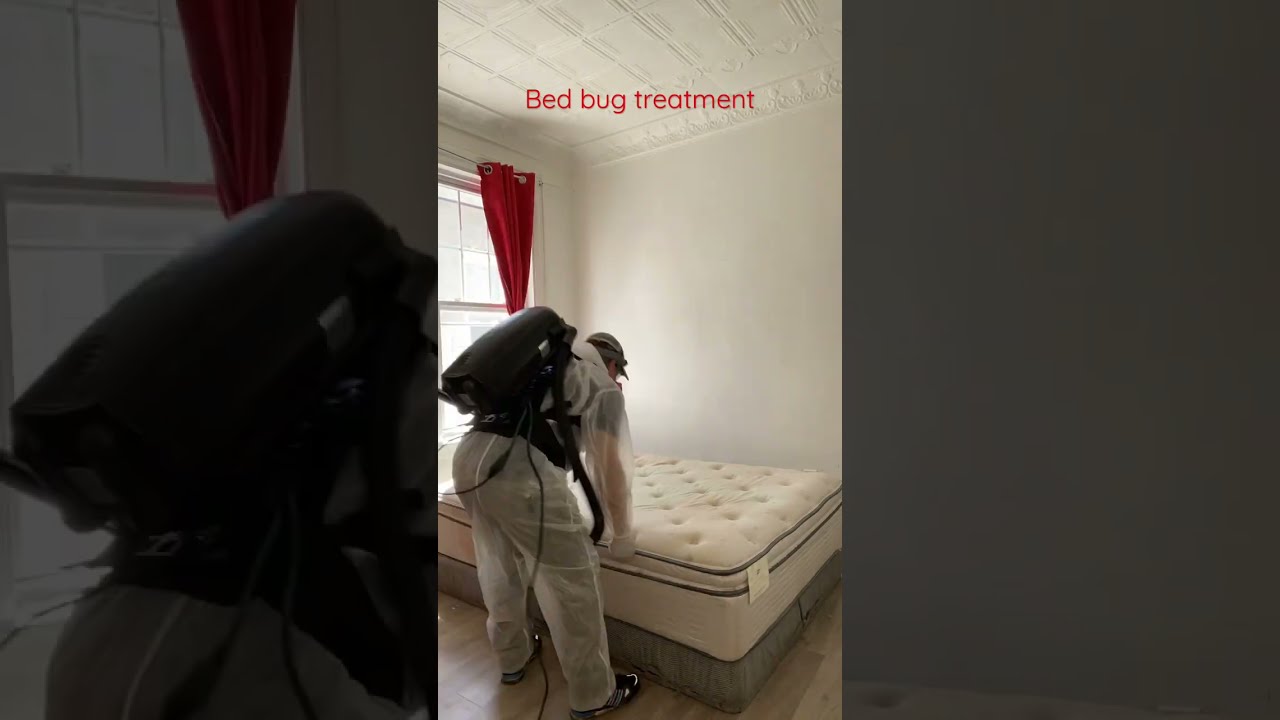
Pest control in Tauranga often blends a practical, hands-on approach with a deep understanding of the local context. You’ll find technicians who know the rot and damp issues common to older homes and those who are adept at securing modern homes against the more active urban pest life. The best providers not only react to problems but anticipate them—offering guidance on structural improvements, moisture control, and landscaping choices that reduce pest appeal. The right team will help you see the bigger picture, not just the momentary hit of a spray.
Concrete steps you can take after treatment
- Monitor activity for a couple of weeks: note whether you still see pests in the same places or if activity declines. Maintain general cleanliness: wipe down surfaces where crumbs accumulate, seal food containers tightly, and keep clutter to a minimum around entry points. Inspect and seal: check doors, windows, and gaps around foundation lines for obvious openings and plan for minor repairs if needed. Consider a light exterior treatment: in some cases, applying a perimeter spray around the outside of the home can help deter pests from entering. Discuss this with your technician. Schedule a follow-up if needed: a second visit can reinforce the initial results and address any stubborn hotspots.
Real-world stories from Tauranga homes
I’ve stood in kitchens where a family reported silverfish in the pantry, and within a week the shelves looked cleaner, and the dark corners revealed fewer signs of activity. I’ve also stood at a garage door where the homeowner described repeated rodent sightings despite previous attempts at deterrence. A targeted seal around a utility conduit and a carefully placed bait station, combined with a follow-up spray, turned around the problem in a matter of weeks. You learn quickly that the best outcomes come from combining science with practical know-how and a willingness to adapt to the specifics of each house.
A last word on choosing the right moment
If you’re debating whether to spray now or wait for a better season, consider your current comfort level and the level of annoyance pests cause. If you’ve noticed consistent activity, a spray can provide relief and prevent escalation. If you’re preparing for a new baby, planning to host guests, or simply want the home to feel calmer, a timely intervention makes sense. In Tauranga, where the seasons rotate and humidity lingers, a well-timed spray is a smart investment that can pay off through the year.
The bottom line
Getting your house sprayed in Tauranga is more than a product application. It’s a careful decision about timing, safety, and the lived reality of a home that hosts a family, pets, and guests. The best pest control services in Tauranga combine local knowledge with transparent communication, practical planning, and a clear commitment to results. They will guide you through an assessment, propose a plan, perform a precise treatment, and support you with follow-up care. When you experience a reduction in unwanted visitors and a sense of cleaner, safer spaces, you’ll know you made the right choice.
If you’re ready to start, approach the process with a clear description of the problem, a plan for the home you have, and a sense that you’re partnering with a local team who understands Tauranga’s climate and its pests. The path from first contact to a quieter, more comfortable home doesn’t have to be long or complicated. With the right team, the route is straightforward, the results are tangible, and your living spaces regain their calm.
In the hands of a skilled local provider, House spraying in Tauranga becomes not a nuisance managed once, but a durable improvement to your home life. You’ll notice the difference in the daily routine, in a kitchen free of persistent crumbs that attract ants, in a garage where rodents don’t linger around the door frame, and in the quiet corners where spiders once gathered in the shade. It’s not magic; it’s method, experience, and a practical approach tailored to your house, your family, and your coastline climate.